
mirror glass border design
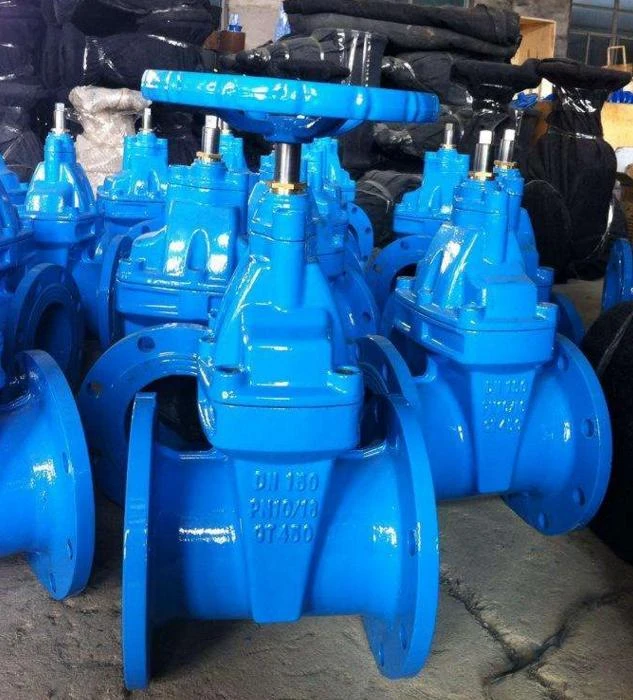
How to Turn Off the Main Water Valve A Step-by-Step Guide Every homeowner should know how to turn off the main water valve. Whether you are dealing with a plumbing emergency, performing maintenance, or preparing to leave your home for an extended period, being able to quickly and effectively shut off the water supply is crucial. This guide will walk you through the steps necessary to locate and turn off the main water valve in your home. Why You Need to Know Understanding how to turn off your main water valve can save you from significant damage and costly repairs. A burst pipe or a malfunctioning appliance can lead to flooding, mold growth, and structural damage. By shutting off the water supply, you can prevent such scenarios from escalating. Additionally, knowing how to turn off the water is essential before undertaking any plumbing repairs or renovations. Locating the Main Water Valve The first step is locating the main water valve in your home. The main water valve is typically found in one of the following areas 1. Basement or Crawl Space If your home has a basement or crawl space, the main water valve is often located near where the water line enters the home. Look for a round or oval-shaped valve connected to the water line. 2. Utility Room In homes without basements, the valve may be in a utility room, often near the water heater or other plumbing appliances. 3. Outside Some homes, particularly those in warmer climates, may have the main water valve located outside, usually near the property line. 4. Garage Check your garage, especially if it is attached to the house, as many water lines enter through this space. Identifying the Valve Type how to turn off main water valve Main water valves can be either a gate valve or a ball valve. A gate valve typically has a round wheel-type handle, while a ball valve usually has a lever handle. Being familiar with these types will help you identify how to operate them. 1. Gate Valve To turn off a gate valve, turn the handle clockwise. This may require a bit of force, as gate valves can become stiff over time. 2. Ball Valve A ball valve operates more smoothly; simply turn the lever perpendicular to the pipe to shut off the water. When the lever is parallel to the pipe, the water is on. Turning Off the Main Water Valve Once you’ve located and identified your main water valve, it’s time to turn it off. Follow these steps 1. Clear the Area Ensure that the surrounding area is clear of any obstructions. This precaution will allow you to maneuver easily and access the valve without any hindrances. 2. Turn Off the Valve For a gate valve, grasp the handle and turn it clockwise until it stops. If it feels stiff, apply consistent pressure rather than forcing it. For a ball valve, simply turn the lever until it is perpendicular to the pipe. 3. Check for Leaks After you have turned off the valve, it’s essential to check for any leaks in the system. Open a faucet in your home to relieve any remaining pressure in the pipes; this will also help confirm that the water supply is off. Final Notes Once you’ve successfully turned off the main water valve, you can proceed with your plumbing repairs or take measures to prevent water damage. Remember to periodically check the functionality of your valve, as valves can deteriorate over time. If you notice any issues, such as rust or difficulty in turning the valve, it may be wise to consult a plumber for maintenance or replacement. In conclusion, knowing how to turn off your main water valve is a simple yet essential skill for every homeowner. It’s an easy step that can provide peace of mind and protection against unexpected plumbing disasters. Take a few moments to locate your valve today, and you’ll be prepared for any future emergencies!
about
mirror glass border design
Full Flow Check Valve An Overview A full flow check valve is a vital component in fluid systems, designed to allow fluid to flow in one direction while preventing backflow. This type of valve is essential in various applications, including water supply systems, wastewater treatment, industrial processes, and even in HVAC systems. With their robust design and efficient operating mechanism, full flow check valves help maintain system pressure, prevent contamination, and ensure the reliability of fluid transport. Design and Functionality The design of a full flow check valve is primarily focused on minimizing resistance to flow. Unlike other types of check valves, such as swing or globe check valves, full flow check valves feature a streamlined construction that allows fluid to move through with minimal turbulence . This configuration is crucial in applications requiring high flow rates, as it reduces energy loss and enhances overall efficiency. When fluid flows in the intended direction, the valve opens, allowing unobstructed passage. If the flow attempts to reverse, the valve closes, effectively blocking the backflow. This operation is typically achieved through various mechanisms such as spring-loaded discs, ball mechanisms, or diaphragm systems, which are designed to respond quickly to changes in pressure and flow direction. full flow check valve Applications and Benefits Full flow check valves are utilized in a myriad of settings due to their reliability and efficiency. In municipal water systems, they prevent the contamination of clean water supplies by stopping any reverse flow that might draw in pollutants. In industrial processes, these valves protect equipment by maintaining proper flow direction, safeguarding pumps and pipelines from damage caused by backpressure. Moreover, these valves contribute to energy savings. By reducing pressure loss in the system, they can lead to lower energy consumption for pumps and other equipment, which is particularly beneficial in large-scale operations. Additionally, the straightforward design of full flow check valves often results in lower maintenance requirements and a longer service life, making them a cost-effective choice for many industries. Conclusion In summary, full flow check valves play an indispensable role in a wide range of fluid handling applications. Their ability to provide reliable, unobstructed flow while preventing backflow makes them a crucial component in ensuring the safety, efficiency, and longevity of fluid systems. As industries continue to seek methods to enhance performance and reduce operational costs, the demand for full flow check valves is likely to grow, cementing their place as a fundamental part of modern engineering and infrastructure.
-

High quality industrial productsagement

High quality industrial products
View Details -

Meet the diverse needs of customers

Meet the diverse needs of customers
View Details -

Strict quality control

Strict quality control
View Details -

Top raw materials

Top raw materials
View Details -

Trusted supplier

Trusted supplier
View Details
Our application



news and information
Various Types of Water Valves and Their Applications Explained
Understanding the Types of Water Valves A Comprehensive Guide Water valves are essential components
Using a Level Ruler for Accurate Measurements and Alignment in DIY Projects
The Importance of a Spirit Level Ruler in Construction and DIY Projects A spirit level ruler is an i
verschiedene Arten von Regelventilen und ihre Anwendungen
Verschiedene Arten von Regelventilen und deren Anwendungen Regelventile spielen eine entscheidende R
 English